

Afrika Botanicals was featured on Get It Bloemfontein’s Facebook page.

Afrika Botanicals was featured on Get It Bloemfontein’s Facebook page.

Afrika Botanicals was featured in Family Healthy Living – January 2024

At Afrika Botanicals, we work directly with natural oils and sometimes forget that not everyone has the same level of knowledge. This blog explains the basics of using natural indigenous African oils on the skin.
Why are people turning to these oils, what they can do for your skin and how can we create a comprehensive skincare regimen that harnesses their power? Are they unisex?

In recent years, the beauty and skincare industry has grown toward incorporating natural oils, especially those derived from indigenous African plants like Ximenia, Mongongo, Marula, Baobab and Kalahari melon. These oils offer many benefits for your skin and can seamlessly integrate into your daily skincare routine.
Why Natural Oils for Skincare?
Natural oils have gained immense popularity due to their ability to nourish and protect the skin. Unlike some commercial skincare products that may contain synthetic ingredients or harsh chemicals, these natural oils are gentle and packed with essential nutrients.
Here are some compelling reasons why people choose to incorporate them into their skincare routines:
Your Daily Skincare Routine with Indigenous African Oils
Morning Routine:
Evening Routine:
Additional Tips:
By integrating natural indigenous African oils into your skincare routine, you can enjoy their many benefits and achieve radiant, nourished skin that reflects your commitment to natural beauty.
Afrika Botanicals supplies natural oils to Moya Essentials (www.moyaessentials.com). They have a wide range of natural products incorporating our carrier oils. They also produce lip balms, cleansing balms, serums and many more.
Our upcoming blog will delve into the effects of natural oils on hair. Please watch this space!

Combining neroli and frankincense essential oil with prickly pear oil creates the ultimate serum
Prickly pear seed oil is one of the most sought-after facial oils due to its remarkable properties. It contains the highest vitamin E of any other beauty oil. It is extremely rich in essential fatty acids, including omega 6 and 9, antioxidants, polyphenols, amino acids and vitamin K.
Cold pressing the prickly pear (Opuntia Ficus-indica) seed from the fruit produces this sought-after oil. Our prickly pears grow on a Free State farm that follows strict sustainability practices.
This oil is also extremely rich in essential fatty acids, including omega 6 and 9, antioxidants, polyphenols, amino acids and vitamin K. The oil is easily absorbed into the skin and penetrates quickly without leaving any greasy residue.
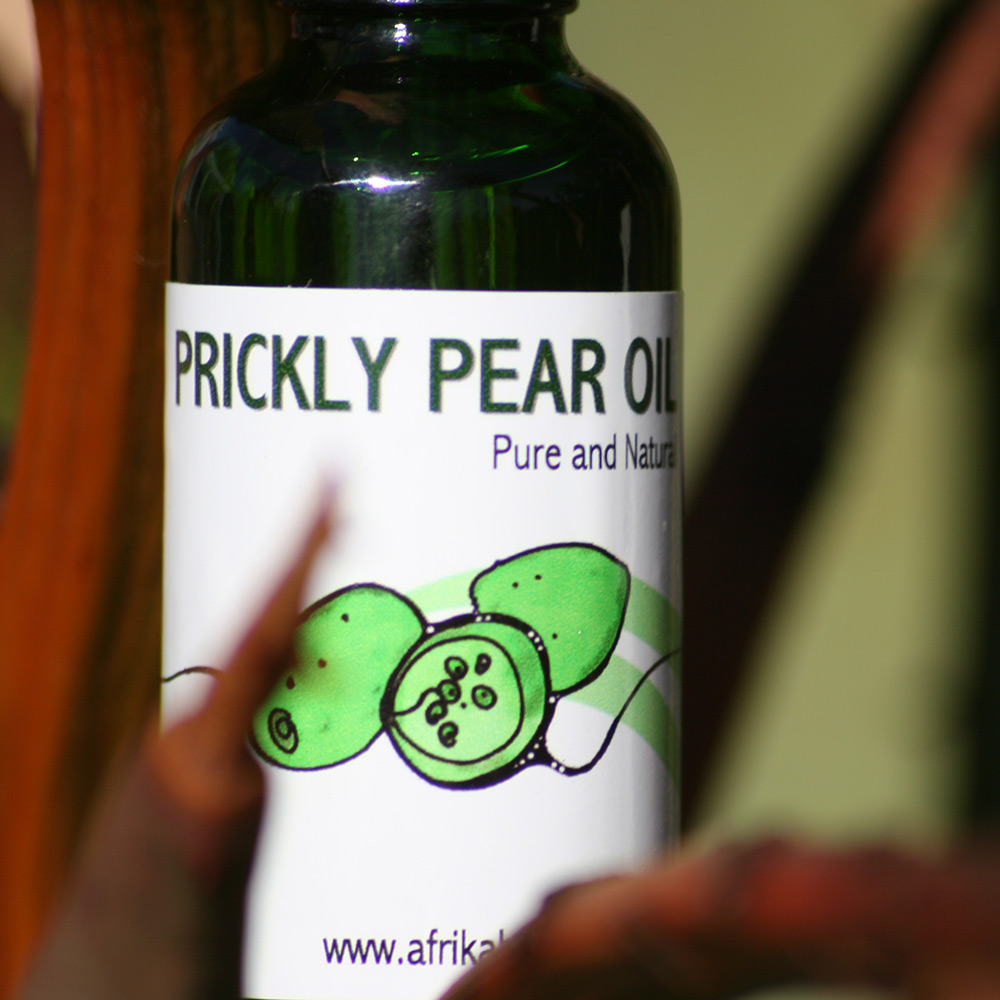
Prickly Pear Seed Oil offers the following benefits:
The addition of Frankincense, known for its ability to beautify and rejuvenate skin, helps to reduce the appearance of sunspots and age spots. Neroli essential oil slows ageing, significantly reduces wrinkles and adds a beautiful fragrance. Prickly pear oil contains the highest amount of vitamin E of any other beauty oil on the market.
Our Regenerating Prickly Pear Serum is part of our new Afrika Botanicals range of products using the best Southern African speciality oils – locally and sustainably produced.
Sonja Borodin-Sleigh from Moya Essentials is the master formulator behind this new range.
To order – please visit either:

Shea butter soothes skin and conditions hair. Shea butter has been around for centuries as a natural skin and hair doctor. The lubricous qualities of this natural butter have transformed the beauty regime of many generations of women.
Shea butter is a fat extracted from the nut of the African shea tree (Vitellaria paradoxa). It is ivory in colour when raw, with more processed versions being white, although it can be naturally dyed yellow with borututu root or palm oil.

Refining Shea butter is becoming preferable and fashionable in many communities – similar to raw coconut oil versus MCT coconut oil. As a result, refined shea butter is attracting much attention in natural and organic circles.
Cosmetics are made with shea as a moisturiser, salve or lotion. Shea butter is also edible. Food cooked with shea is prevalent in many African countries. It is safe to enhance any mating ritual when chocolate is not available. There are so many benefits and uses for shea butter; only the mind needs to explore more.
The butter comes as a softish paste and is ideal for creating balms and ointments. It is highly suitable to be used on its own without any additives. Your personal cosmetic experience is enhanced by adding a few drops of your favourite essential oils. Its high concentration of vitamins and fatty acids, and easy-to-spread consistency, make it an excellent product for smoothing, soothing and conditioning your skin.

Shea butter soothes skin and conditions hair. It is a natural product that is gaining popularity for its effectiveness.
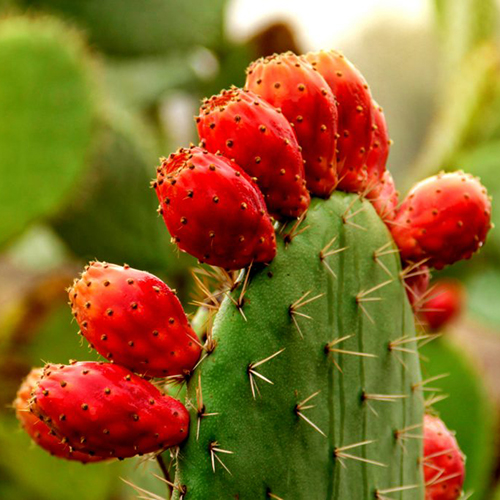
The prickly pear is one of the most versatile plants. Modern technology allows every aspect of the plant is used. The Americas are the natural home of the Opuntia species of cacti. This species was introduced into South Africa 300 years ago. Different species have followed. Initially, they were using them as fences or hedgerows to protect crops from wild animals. The plant spread throughout Southern Africa and is a common sight on many farms and towns.
They farmed the prickly pear in the Karoo as a hardy, sustainable cattle food. The Opuntia ficus-indica is dominant in South Africa. The Opuntia stricta is widespread in Zambia and other neighbouring countries.
Academic research has revealed the vast potential for the agricultural and energy sectors.

The cladodes (leaves) of the cactus are milled and are consumed by cattle. These cladodes are dried and milled to produce flour for human consumption. Research has seen 25% of cake flour replaced by cactus flour in baking.
A high-fibre and gluten-free cereal can be made when the cladode flour is mixed with sorghum meal. This flour is used as a thickening agent and emulsifier in mayonnaise.
Barren Energy is an Australian company currently operating in South Africa. They are successfully converting grown cacti into LPG gas. The cacti grow in remote and dry areas. Arid land can be converted into 10MW power generators. This is an ideal energy solution and opportunity for mining in remote regions. Their pilot cactus-to-gas project is producing gas. This will be commercialised in due course.
The fruit is only available for a short period in summer. They have one of the shortest shelf lives of any fruit. Companies have tried juicing the fruit but it does not travel well and is prone to easy fermentation. Easy fermentation will suit the production of alcoholic beverages.
Amazingly, the fruit contains high levels of vitamin C, magnesium, iron, calcium and other nutrients. It has between 6% and 14% sugars, in the form of glucose and fructose. The vitamin C content of cactus pears is higher than that of apples, grapes, pears or bananas.
Research is being conducted on the efficacy of the plant in treating diabetes. In rural areas, the plant is treating everything from high blood pressure to diabetes.
Oil produced from its seed is becoming popular in cosmetic circles. Extracting the fruit from the seeds is lengthy and the seeds are cold-pressed to produce the oil. It takes half a ton of seed to produce one litre of seed oil. Seeds contain only five per cent oil. It is one of the most expensive oils and retails for about US$250/kg. The prickly pear is one of the most versatile plants.
Prickly Pear oil is antioxidant, regenerative, moisturising, soothing, and has anti-inflammatory properties. It calms inflammation and rehydrates skin.
The Opuntia ficus and stricta were seen as menaces that grew like weeds. Expensive eradication operations curtailed their spread. The humble cactus is one of the most versatile plants producing different income streams. The legislation does not limit the plant’s growth, but countries apply the CITES Convention differently. A CITES permit is required before any part of the plant, including the oil, is exported to some countries such as China.