
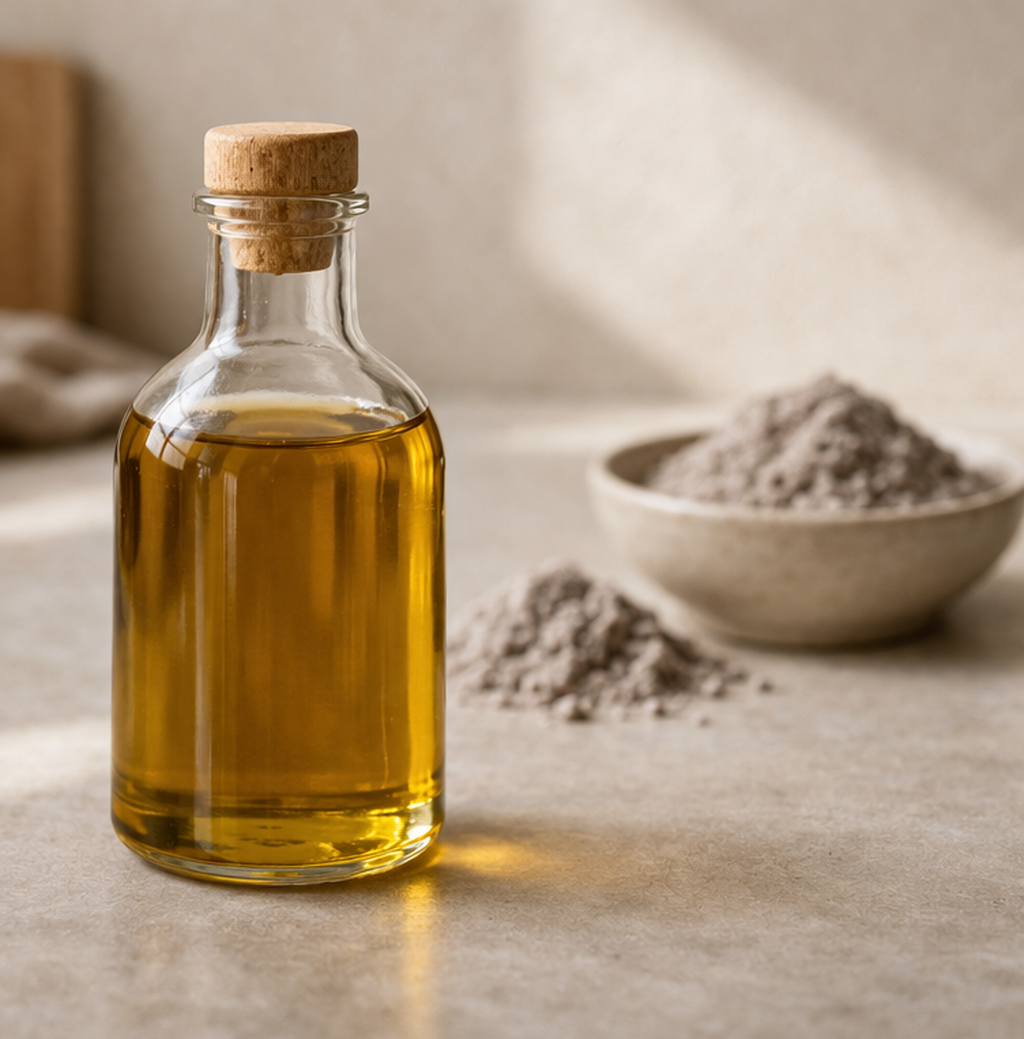
We often talk about cold-pressed oils as premium, natural and high-value.
But we rarely talk about what is left behind.
When kernels from the Marula tree (Sclerocarya birrea) are cold-pressed, the oil is only part of the story. The remaining nut-cake is still rich in protein, fibre and residual oil – yet in many cases, it is underutilised or treated as waste.
What if we have been looking at this the wrong way?
Instead of a by-product, marula seed cake is a second product waiting to be unlocked:
- A potential local protein source for animal feed
- A base for functional food ingredients
- A raw material for further processing and innovation
In a world focused on sustainability and circular value chains, the question is not how much oil we can extract…
…it is how much value we can unlock from everything else.
#CircularEconomy #SustainableFoodSystems #AgriInnovation #ValueAddition
#MarulaSeedCake
When people talk about cold-pressed Marula oil, the conversation usually stops at the oil itself. And that makes sense. Cold-pressed oils are often seen as premium products because they are natural, minimally processed and rich in value.
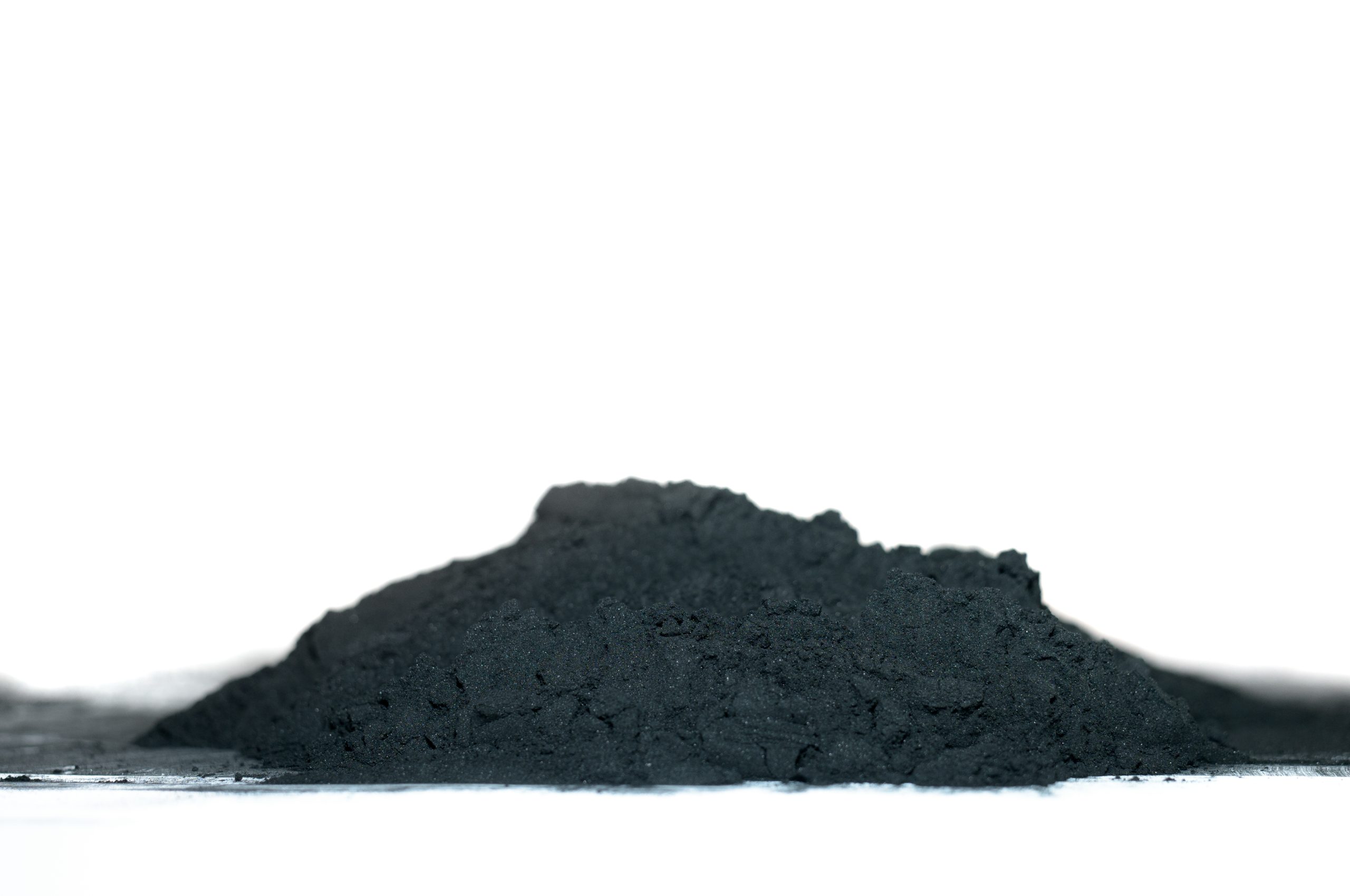
But there is another part of the story that deserves more attention: the seed cake left behind after pressing. That cake is not just residue. It is a resource. And in many ways, it may represent one of the most interesting opportunities in the Marula value chain.
Looking at Cold-Pressing Through a Circular Economy Lens
A circular economy asks a simple but powerful question: how do we keep value moving instead of throwing it away?
That is exactly why Marula seed cake is so interesting.
When kernels are cold-pressed, the oil is extracted, but the press cake still contains useful components such as protein, fibre and some residual fat. In a traditional linear system, that material might be discarded or underused. In a circular system, it becomes a starting point for something else.
That shift in thinking matters.
It means cold-pressing is not only about extraction. It is about transformation.
It also means the real value of the Marula kernel may not sit in one product alone, but in the full range of products that can be made from it.
Why This Matters Now
Across Africa and globally, there is growing interest in ingredients and processing systems that are more sustainable, more local and less wasteful. Businesses, researchers and consumers are all asking similar questions.
- Can we use more of what we already produce?
- Can we create more value without increasing pressure on land and resources?
- Can we build industries that support both profit and sustainability?
Marula seed cake fits neatly into that conversation. Instead of seeing it as a low-value by-product, it can be viewed as a secondary value stream. That is an important distinction, because secondary value streams can improve processing economics, reduce waste and create room for innovation.
What Could Marula Seed Cake Be Used For?
The most immediate opportunity is in the food industry.
Because the seed cake still contains protein, fat and fibre, it has potential as a base ingredient in a range of food applications. That could include blended flours, protein-enriched formulations, snack products, bakery applications, or other functional food ingredients.
That does not mean it is ready for every application right away. Like any ingredient, it would need proper testing, processing and product development. But the nutritional profile makes it worth paying attention to.
Beyond food, there may also be opportunities in nutraceuticals, cosmetics and other value-added applications. In other words, the cake is not limited to one sector. It has the kind of versatility that makes ingredient innovation possible.
And that is where things get exciting.
Because once you stop asking, “What do we do with the leftover cake?” and start asking, “What can this ingredient become?”, the opportunity expands.
The Socio-Economic Opportunity Is Just as Important.
This is not only a technical or commercial conversation. It is also a community and development conversation.
Marula is often associated with local harvesting, local processing and local knowledge. That means there is a real opportunity to keep more of the value chain closer to the source.
If seed cake can be turned into a marketable ingredient, that could support: more local processing activity, more diversification beyond oil extraction and more jobs linked to sorting, drying, milling, packaging and product development.
That matters because value addition is often where stronger livelihoods are built.
Too many value chains export the best part and leave the rest behind. A more circular Marula industry can do the opposite. It can create more room for small processors, cooperatives and rural enterprises to participate in the economics of the crop.
In that sense, the seed cake is not just a technical by-product. It is a local opportunity.
The Bigger Picture
Cold-pressed products are often marketed as natural and premium. And they are.
But sustainability is incomplete if the cake is underutilised.
If we want a truly efficient and future-focused processing model, we need to think beyond the oil. We need to reduce waste, create new revenue streams and improve the economics of processing as a whole.
That is what makes Marula seed cake so interesting. It sits right at the intersection of sustainability, food innovation and inclusive economic growth.
And perhaps that is the real question we should be asking:
Are we ready to see Marula seed cake not as what is left over, but as what is next?